Planning a trip to Ghana and wondering when is the best time to go? Choosing the right season can make your experience even more memorable. Ghana, known for its warm hospitality, rich culture, and diverse landscapes, has something to offer all year round. But depending on the weather, festivals, and what you want to experience, some months may be better than others.
In this guide, we’ll break down the best time to visit Ghana, what to expect weather-wise, highlight exciting festivals, and share practical travel tips to help you make the most of your journey.
Before we start, check out our Ultimate Ghana Travel Guide.
Ghana’s Climate and Weather: When to Go
Ghana has a tropical climate with two main seasons: the dry season and the rainy season.
- Dry Season (November – March): This is the most popular time to visit Ghana. Expect plenty of sunshine, low humidity, and ideal conditions for exploring cities, national parks, and beaches. December is especially lively with festivals, concerts, and events in Accra and beyond.
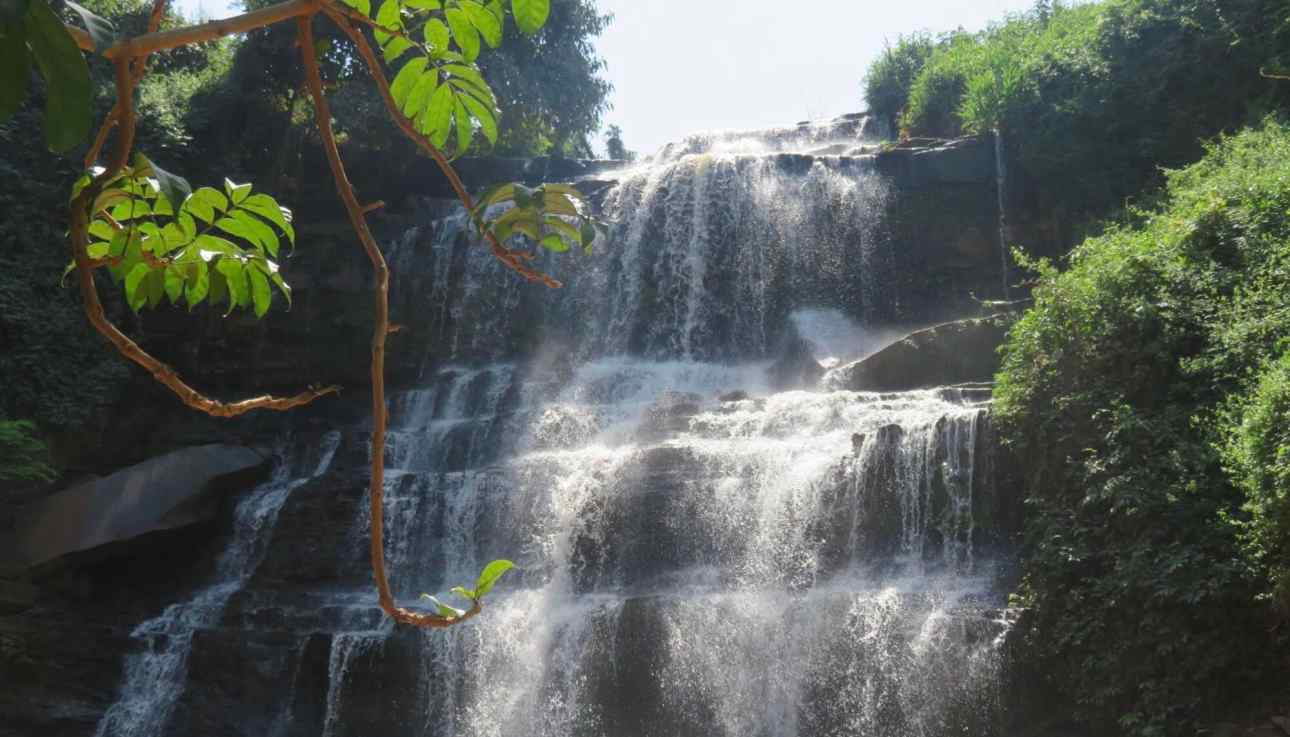
- Rainy Season (April – October): Rainfall varies across regions. The coastal areas experience lighter rains compared to the forested middle belt. While the rains can sometimes disrupt travel plans, this season also brings lush greenery, fewer crowds, and lower prices on accommodation.
Best Time to Experience Festivals in Ghana
Ghana is a land of vibrant festivals, and timing your trip around them is a fantastic way to experience local culture.
- December: The famous Afrochella (AfroFuture) music and arts festival, street parties, and a buzzing nightlife make December a top choice for travelers. It’s part of the “Detty December” experience that draws visitors worldwide.
- August/September: The Homowo Festival in Accra celebrates the Ga people’s resilience, featuring colorful parades, music and traditional rituals.
- March 6th: Ghana’s Independence Day celebrations are marked with parades and cultural events across the country.
- July: The Bakatue Festival in Elmina officially marks the fishing season with canoe processions and drumming.
Travel Tips for Visiting Ghana
- Book Early for December: Flights and hotels sell out quickly around the festive season. Plan ahead if you’re visiting during “Detty December.”
- Stay Hydrated: Ghana is warm year-round, so always carry water when exploring.
- Respect Local Customs: Ghanaians are welcoming, but modest clothing is recommended when visiting rural communities or religious sites.
- Currency: The local currency is the Ghanaian Cedi (GHS). Cash is widely used though mobile money and card payments are becoming more common.
- Health Precautions: Ghana is a yellow fever vaccination zone, and malaria prophylaxis is advised. Always check the latest travel health recommendations.
For official updates, visit the Ghana Tourism Authority.
Final Thoughts: Best Time You Should Visit Ghana?
The best time to visit Ghana really depends on your preferences. If you love festivals, music, and nightlife, December is unbeatable. For outdoor adventures like hiking, safaris, and exploring heritage sites, the dry season (November to March) offers perfect weather. If you prefer fewer crowds and lush scenery, the rainy season may surprise you with its charm.
No matter when you visit, Ghana promises unforgettable memories.
✈️ Ready to plan your trip? Explore our tours at Timeh Tours and let us help you experience Ghana the right way!
FAQs
What months are best to visit Ghana?
The dry season (roughly November–March) is most popular for beach trips and easier road travel; shoulder months can be good if you want fewer crowds.
When is the rainy season in Ghana?
Main rains usually occur in parts between April–June with shorter rains around Sept–Nov, but timing varies by region (coast vs north).
What festivals can I attend?
Ghana hosts many. e.g., Homowo (Ga), Panafest, Chale Wote, Odwira and regional harvest festivals; dates change year to year so check the festival calendar before planning.