
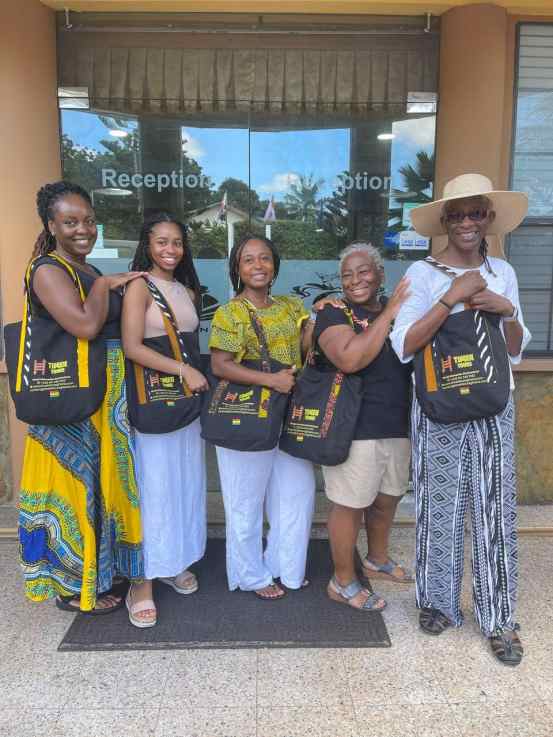
This Ghana travel guide provides everything you need to know before you go, from top destinations and cultural tips to travel advice for a smooth, unforgettable journey. Whether you’re visiting for culture, adventure, or connection, this 2026 Ghana travel guide has everything you need to start planning.
✈️ Entry Requirements and Visas – Ghana Travel Guide Tips
Most visitors to Ghana will need:
- A valid passport (with at least 6 months remaining)
- A tourist visa
- A yellow fever vaccination certificate
Apply early! Tourist visas typically take 10–20 business days. You can apply through your local Ghanaian embassy. If you’re in the USA, 👉 Apply here: https://washington.mfa.gov.gh, Canadian travelers can apply here: ottawa.mfa.gov.gh, UK travelers can apply here: ghanahighcommissionuk.com, EU travelers can reference general guidelines on consular protection here: Consular Protection for EU Citizens
💉 The yellow fever vaccine is mandatory — here’s what the WHO says.
📅 Best Time to Visit Ghana – Ghana Travel Guide Advice
Ghana has two main seasons:
- Dry season (Nov–March) – Best for sightseeing, national parks and beaches.
- Rainy season (April–Oct) – Fewer crowds, lush scenery
- Festival seasons: Homowo, Akwasidae, Chale Wote Street Art Festival
📍 Top Places to Visit – Ghana Travel Guide Highlights
Not sure where to start? Here’s a breakdown of must-see destinations:
1. Accra
A buzzing coastal city with history, art, and nightlife. 👉 Explore Ghana’s Top Destinations with Timeh Tours
- Jamestown (for murals and boxing gyms)
- Kwame Nkrumah Mausoleum
- Osu Castle
- Makola Market
2. Cape Coast & Elmina
Visit Cape Coast Castle and Elmina Castle, two hauntingly powerful landmarks tied to the transatlantic slave trade. These are key sites on our African heritage tours at Timeh Tours.
3. Kakum National Park
Home to one of the world’s most iconic canopy walkways, high above tropical rainforest. A must for nature lovers.
4. Mole National Park
Go on a walking safari among elephants, antelope, and baboons in northern Ghana. You can combine this with a Tamale cultural tour.
5. Volta Region
Waterfalls, mountain hikes, Lake Volta, and the laid-back charm of Ewe culture await.
Need a flexible itinerary with a local guide? Browse our customizable Ghana tours to make your dream trip stress-free.
🧳 Ghana Travel Guide: 2026 Packing Tips for Your Trip
The weather is hot and humid in most parts, so pack light but thoughtfully:
✅ Light, breathable clothing
✅ A pair of long sleeves for evenings
✅ Comfortable walking shoes or sandals
✅ Sunscreen, mosquito repellent
✅ Travel adapter (Type G – UK-style plug)
✅ Reusable water bottle
✅ Yellow fever card + malaria tablets
Want a full checklist? We’ll include one when you book a tour with us.
🍽️ Must-Try Ghanaian Dishes – Ghana Travel Guide Recommendations
You haven’t experienced Ghana if you haven’t eaten like a local. Be sure to try:
- Jollof Rice
- Waakye
- Banku with grilled tilapia
- Kelewele
Let your guide know if you’re vegetarian or have dietary needs. Ghana’s food scene is more flexible than you might think.
👋 Ghana Travel Guide: Understanding Culture & Etiquette
- Greet people with a smile and handshake (use your right hand)
- Don’t use your left hand to give or receive items
- Dress modestly in villages or religious settings
- Always ask before taking photos of people
- “Ghana time” is real, patience is part of the experience
🚐 Getting Around Ghana – Ghana Travel Guide Transport Tips
- In cities: Use taxis or ride-hailing apps like Bolt or Yango.
- Between regions: Take VIP or STC buses, they’re affordable and reliable.
- For convenience: Book a private car and guide especially helpful for first-time visitors or heritage trips.
- Domestic Flights: (Accra to Tamale, Kumasi, etc.)
👉 Let us handle the logistics. Timeh Tours offers safe, guided transportation across Ghana.
Money & Budget Tips – Ghana Travel Guide Advice
- Currency: Ghanaian Cedi (GHS)
- ATMs are available in major cities
- Budget travelers: $50–$80/day
- Mid-range travelers: $100–$150/day
- Tipping is appreciated (5–10%)
🗓️ Sample 7–14 Day Itinerary
Want a quick look at how to structure your visit? Here’s a basic outline:
7-Day Trip
- Day 1: Arrive in Accra
- Day 2–3: Explore Accra + Jamestown
- Day 4–5: Cape Coast + Kakum
- Day 6: Return or head to Volta Region
- Day 7: Departure
14-Day Trip
Add Mole National Park, Kumasi, and Volta adventures or request a custom plan through us.
✨ Ready to Experience Ghana Like a Local? – Ghana Travel Guide Tips
Why Book With Timeh Tours Ghana?
- Local guides who know the real Ghana
- Clean, comfortable, AC vehicles
- Community-based tourism, your trip supports locals
- Custom itineraries from day trips to full adventures
- 5-star reviews across Google, Viator & TripAdvisor
Now you know the essentials but experiencing Ghana is about more than just ticking off destinations. It’s about meeting people, hearing stories, tasting flavors, and discovering your roots (or planting new ones).
👉 Let Timeh Tours plan your 2026 trip the local way.
📍 Need more travel inspiration? Check out our full list of 10 Must-Visit Places in Ghana for First-Time Travelers from castles and waterfalls to wildlife and hidden gems.
Frequently Asked Questions (FAQs) – Ghana Travel Guide 2026
1. Do I need a visa to travel to Ghana in 2026?
Yes, most travelers need a visa before arriving in Ghana. Some ECOWAS and African Union countries are exempt. Check the Ghana Immigration Service website or the Ghana embassy in your country for updated requirements.
2. What vaccinations do I need for Ghana?
A Yellow Fever vaccination is mandatory for entry. Other recommended vaccines include Hepatitis A & B, Typhoid, and routine immunizations. It’s also wise to take malaria prophylaxis.
3. When is the best time to visit Ghana?
The best time is during the dry season (November – March) when the weather is cooler and ideal for exploring. However, festivals like Homowo (August) and Panafest (July/August, biennial) also attract many visitors.
4. What currency is used in Ghana?
Ghana uses the Ghanaian Cedi (GHS). Credit cards are accepted in major hotels but cash is preferred for local markets and rural areas.
5. Is Ghana safe for tourists?
Yes, Ghana is considered one of the safest countries in West Africa. Petty theft can occur in crowded areas, so keep an eye on valuables.
6. What language is spoken in Ghana?
The official language is English but many locals also speak Akan (Twi, Fante), Ewe, Ga, and other indigenous languages.
7. What should I wear in Ghana?
Light, breathable clothing is best due to the tropical climate. When visiting mosques, churches, or villages, dress modestly out of respect for local culture.
8. How can I get around Ghana?
Options include domestic flights, buses, shared minibuses (“trotros”), ride-hailing apps like Bolt and Uber, or hiring a private car with a driver for comfort.
9. What are the must-see attractions in Ghana?
Top highlights include:
- Cape Coast & Elmina Castles (slave trade history)
- Kakum National Park (canopy walkway)
- Mole National Park (safaris)
- Accra (arts, nightlife, Independence Square)
- Volta Region (Wli Waterfalls, Lake Volta)
- Kumasi (Ashanti culture, Manhyia Palace)
10. Can I use my phone in Ghana?
Yes. You can buy a local SIM card from providers like MTN, Vodafone, or AirtelTigo. Data is affordable, and coverage is widespread in cities.
11. What is Ghanaian food like?
Expect rich, flavorful dishes such as jollof rice, banku with tilapia, waakye, kelewele (spicy fried plantain), and fufu with soup. Street food is delicious but ensure it’s freshly prepared.
12. What cultural etiquette should I know?
- Always greet people before asking questions.
- Use your right hand for handshakes, eating, or giving items.
- Respect elders and local customs.
- Asking before taking photos of people is polite.
13. How much should I budget for a trip to Ghana?
Ghana can be affordable or luxury depending on your style:
- Budget travelers: $30–$60 per day
- Mid-range: $70–$150 per day
- Luxury: $200+ per day
14. Can I drink tap water in Ghana?
It’s recommended to drink bottled or filtered water to avoid stomach issues.
15. What festivals or events should I not miss in 2026?
Some highlights include:
- Chale Wote Street Art Festival (Accra, August)
- Homowo Festival (Ga people, August)
- Akwasidae Festival (Ashanti, every six weeks)
- Panafest (biennial, if held in 2026)




[…] a comprehensive guide to traveling in Ghana, check out our Ultimate Ghana Travel Guide 2026, which covers everything from entry requirements to must-try […]
[…] If you’re looking to experience Ghanaian wildlife up close, a Mole National Park safari is a must. Located in Northern Ghana, Mole National Park is the country’s largest wildlife reserve, home to elephants, antelopes, warthogs, baboons, and over 300 bird species. From thrilling game drives to walking safaris, this is where adventure meets nature. For first-time visitors planning a broader trip to Ghana, check out our comprehensive guide: The Ultimate Ghana Travel Guide 2026: Everything You Need to Know Before You Go […]
[…] If this is your first time visiting, we also recommend reading our cornerstone guide: The Ultimate Ghana Travel Guide 2026: Everything You Need to Know Before You Go […]