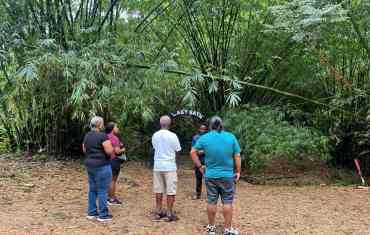
Ghanaian culture and traditions are among the most vibrant in Africa, blending history, community, music, dance, and spirituality. When people think of Ghana, they imagine welcoming smiles, colorful festivals, soulful rhythms, and deep traditions that shape everyday life. This guide explores Ghana’s traditions, festivals, languages, cuisine, and values, with travel tips to help you experience them firsthand. To start planning your cultural adventure, see our Ultimate Ghana Travel Guide 2026
Ghana’s Cultural Heritage at a Glance
Ghana’s culture is shaped by its diverse ethnic groups, each with unique customs yet united by values of respect, hospitality and community. From the Akan and Ewe in the south to the Dagomba and Mole-Dagbani in the north, traditions are passed down through storytelling, drumming and family gatherings.
👉 For a deeper cultural dive, join one of our heritage and cultural tours with Timeh Tours
Festivals in Ghanaian Culture and Traditions
No visit to Ghana is complete without experiencing a festival. They blend history, religion and community celebration.
- Homowo (Ga People): A harvest festival celebrated in Accra, filled with drumming, dancing, and feasting.
- Akwasidae (Akan): A royal festival held every six weeks at the Ashanti King’s palace in Kumasi.
- Panafest: A pan-African festival celebrating unity, history, and diaspora connections.
- Chale Wote: Accra’s street art festival, showcasing music, graffiti, and performance.
Want to experience these festivals up close? Book Timeh Tours today and we’ll plan the perfect itinerary.
You can also browse the Ghana Tourism Authority festival calendar for official updates.
Ghanaian Music and Dance
Music is central to Ghanaian life, from traditional drumming to modern Afrobeats. Highlife, hiplife, and gospel dominate the airwaves, while dances like Adowa, Kete and Agbadza express community stories.
If you’re visiting in December, don’t miss Ghana’s famous Detty December parties. Explore our Detty December tours with Timeh Tours.
Languages in Ghana
English is the official language but over 80 local languages are spoken. Major ones include Twi, Ga, Ewe and Dagbani. Learning a simple greeting like “Akwaaba” (welcome) makes a big impression.
👉 For language and cultural immersion, see our cultural tours
Traditional Clothing and Crafts
Ghanaians are known for their colorful kente cloth, originally woven by the Ashanti people and now worn at ceremonies worldwide. Beadwork, pottery, and woodcarving are also integral to cultural expression.
You can explore artisan workshops on our Kumasi craft markets tour. Book your tour with Timeh Tours to experience it authentically.
Ghanaian Food and Dining Etiquette
Food is at the heart of Ghanaian hospitality. Traditional meals include:
- Jollof Rice – Ghana’s iconic one-pot dish.
- Fufu with Light Soup – A staple made from cassava or yam.
- Waakye – Rice and beans served with stew and fried plantain.
Meals are often eaten with the right hand, a gesture of respect. Join our food and cooking tours. Timeh Tours will teach you how to prepare Ghanaian dishes.
Religion and Spirituality
Religion plays a key role in Ghanaian traditions. Christianity and Islam are widespread, but indigenous beliefs continue to influence festivals, naming ceremonies, and daily practices. Sacred sites like the Larabanga Mosque and traditional shrines reveal this deep spiritual heritage.
Final Thoughts on Experiencing Ghanaian Culture and Traditions
Ghana’s culture is alive, colorful and welcoming. From the rhythms of traditional drums to the warmth of everyday greetings, you’ll quickly see why Ghana is called the Gateway to Africa.
Ready to experience it all? Book Timeh Tours and let us create your cultural adventure in Ghana.
FAQs on Ghanaian Culture and Traditions
What are Ghanaian people known for?
Warm hospitality, strong community ties, colorful dress and textiles (kente), and vibrant music/dance traditions.
What language do they speak in Ghana?
English is the official language; many local languages are widely used, including Twi/Akan, Ewe, Ga, and Dagbani.
What is Ghana’s most famous tradition?
Traditional festivals and chieftaincy ceremonies featuring drumming, dancing, and processions are central to Ghanaian culture, preserving community identity and history.